
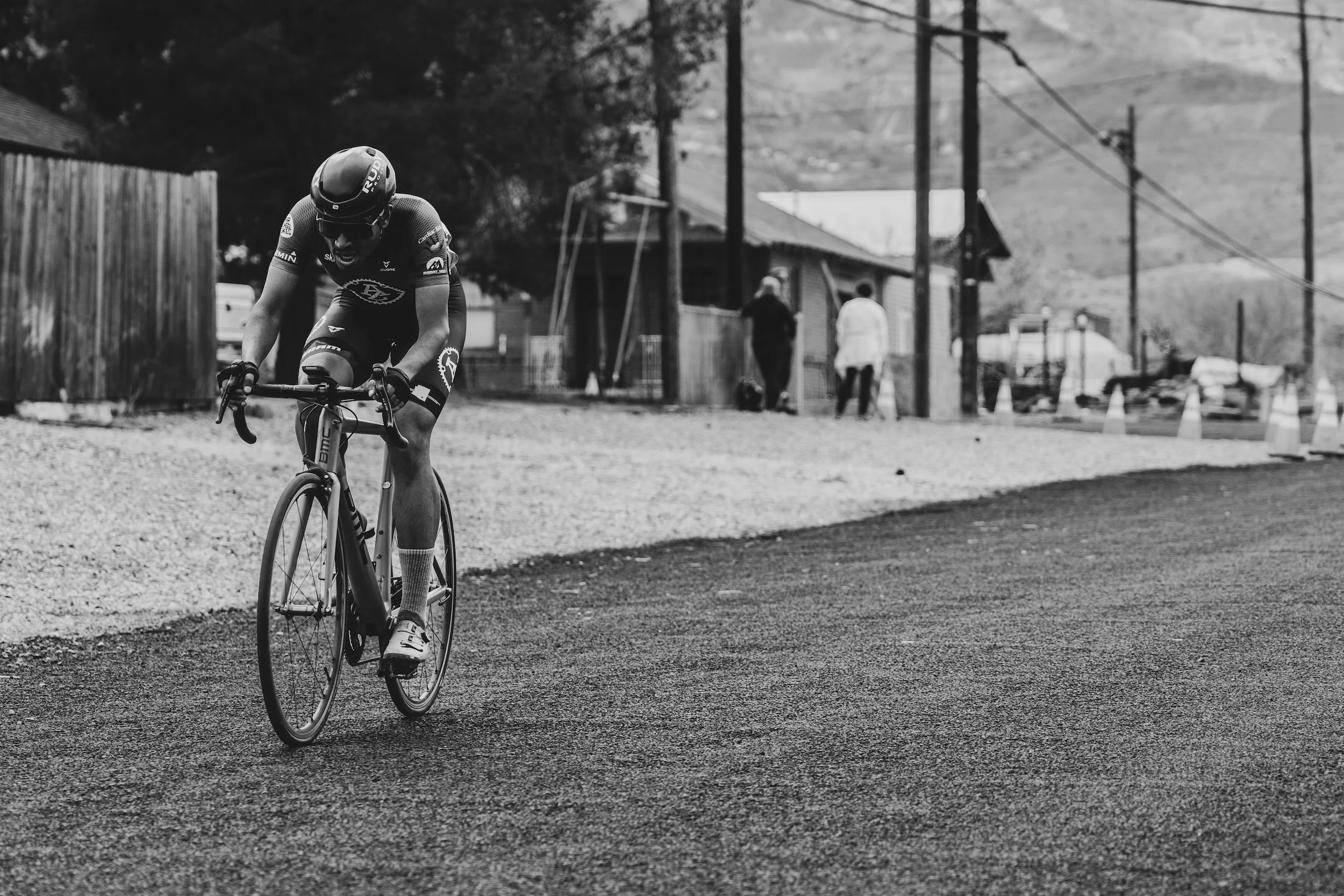
Race mornings in small towns are special. I love watching these communities come alive in a different kind of way.
Coffee shops and breakfast places are packed before sunrise. Bike traffic noticeably spikes around town. Hotels that might normally sit half-empty during shoulder season are booked out. Downtown streets buzz with energy.
For many rural communities, cycling events such as gravel races, mountain bike festivals, fondos, and stage races provide an immediate and visible economic boost.
That part is easy to recognize and even track ...
People travel to town.
People spend money.
Businesses benefit.
But another layer of impact is happening at the exact same time, one that many small-town leaders still underestimate.
The town is being documented, shared, and distributed online in real time.
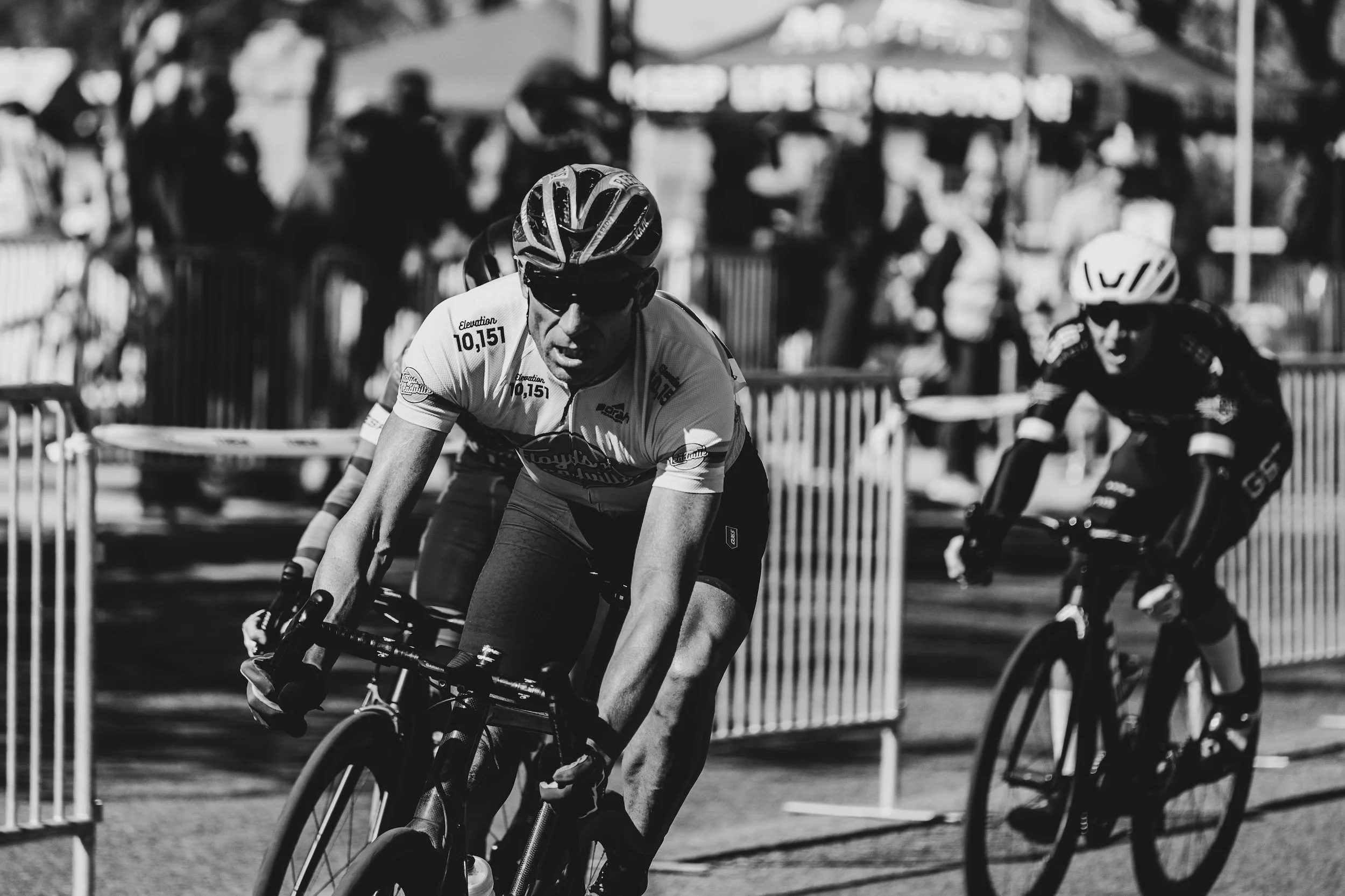
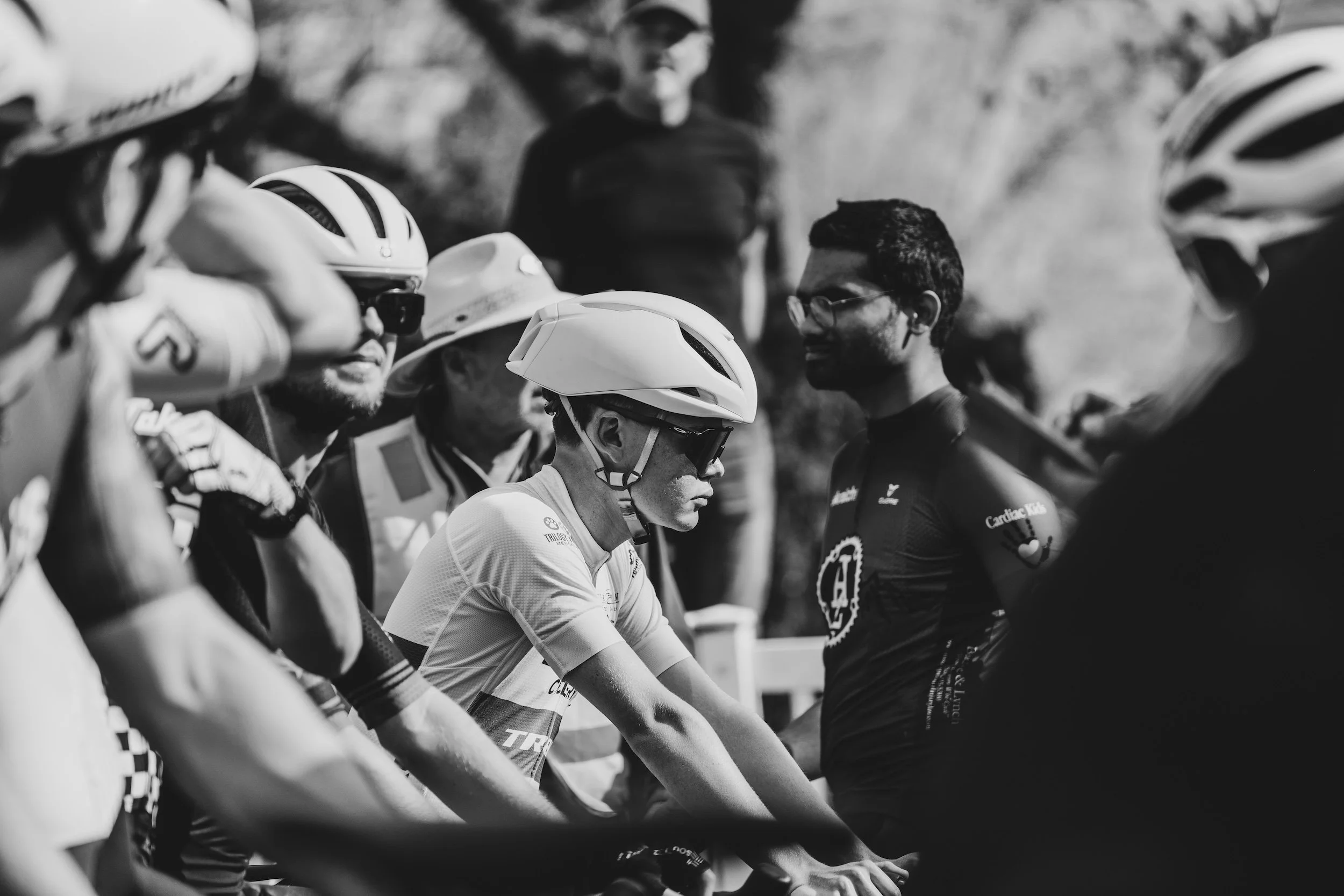
Thousands of photos, Instagram Stories, Reels, recap videos, Strava uploads, TikTok videos, blog posts, podcasts, and YouTube edits begin circulating across social media almost immediately. Riders become storytellers. Spectators become marketers. Athletes become influencers.
All are doing so without even realizing they are participating in tourism-focused UGC (user-generated content) that is bringing awareness and attention to this town. Oh, and they’re doing it for free.
These kinds of events are not just bringing people to town. They create attention, which has measurable value.
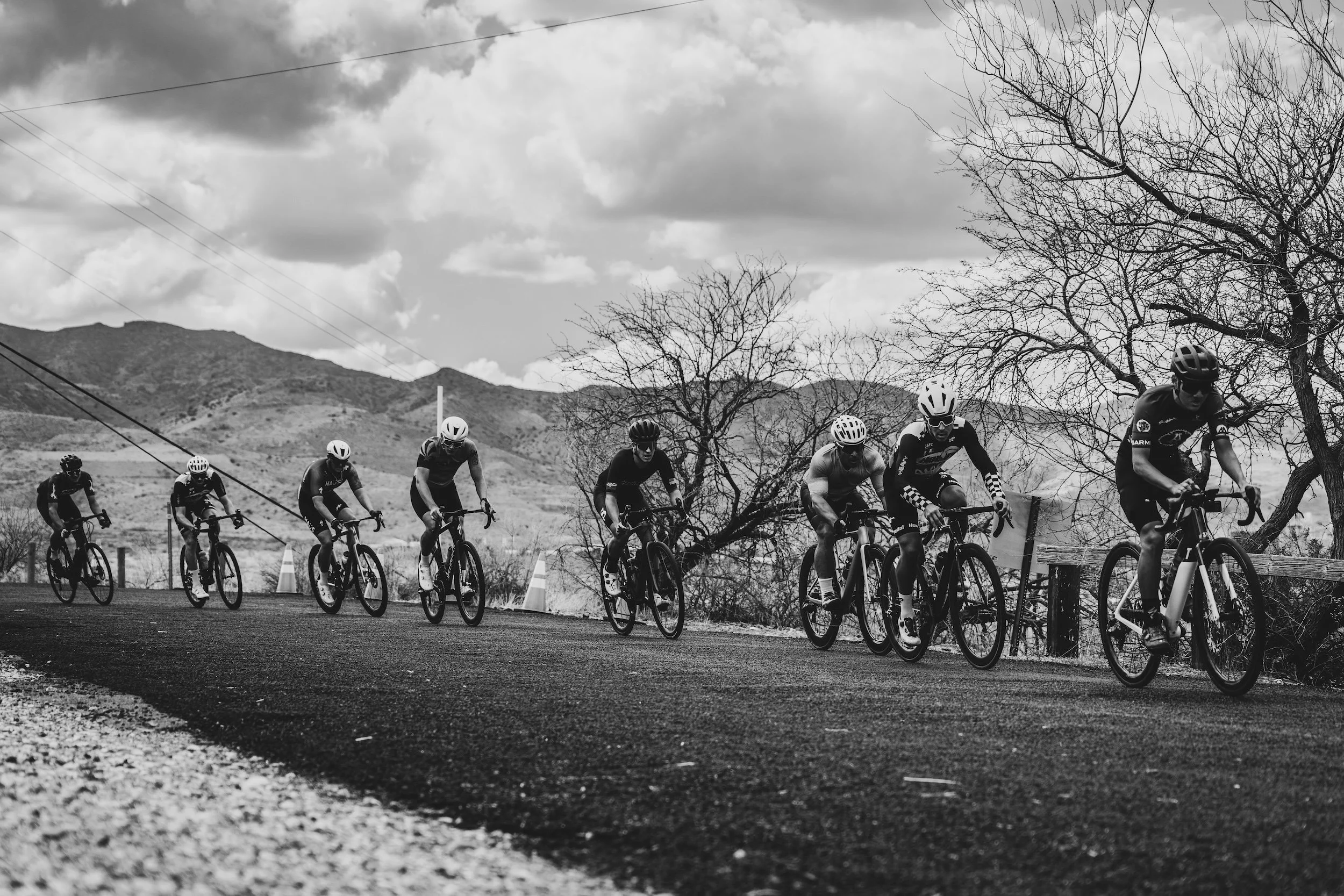
How Cycling Events Create Economic Impact for Small Towns
Most conversations about event-based tourism focus on direct spending (and rightly so).
Cycling events can generate meaningful economic activity for rural communities through:
hotel stays
restaurants and coffee shops
fuel purchases
grocery stores
breweries
retail shopping
campgrounds and RV parks
bike shops and repair services
Many riders also travel with spouses, families, or friends, extending the economic impact beyond the participants themselves.
I’ve worked with a few races where we intentionally collected this kind of data.
For some towns, especially those outside major tourism corridors, events can create much-needed momentum during slower parts of the year. A single race weekend may introduce hundreds or thousands of people to a community they otherwise never would have visited.
But the long-term opportunity is often bigger than the weekend itself.

Why Social Media Exposure Matters for Rural Tourism
This next part is exciting for me, especially as a digital media academic.
A cycling event moves from being a sporting event to a media engine.
Every rider carrying a smartphone is effectively documenting the experience:
sunrise over gravel roads
crowded start lines
local diners
scenic backroads
historic downtown buildings
post-race celebrations
landscapes people have never seen before
All of that content gets shared online.
And every piece of content introduces the town to new audiences.
This is especially important for rural communities that struggle with visibility. Many small towns may have incredible landscapes, recreation opportunities, and cultural identity, but very little digital presence. People simply do not know what is there. Heck, they may not even know that town exists.
Events help change that.
Not through traditional advertising alone, but through storytelling and user-generated content.
That visibility adds up over time.
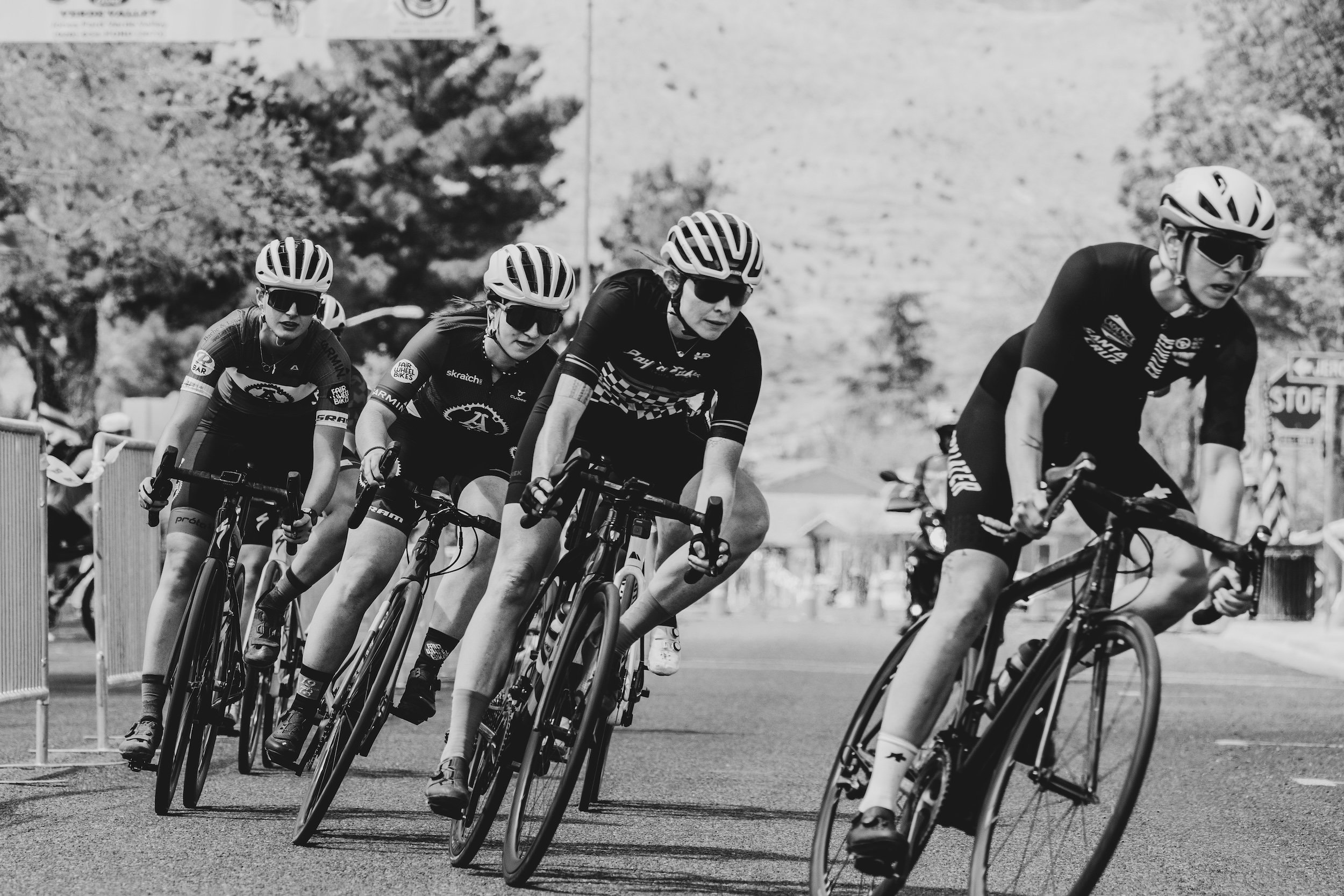
What Is Earned Media Value (EMV) for Events?
This is where Earned Media Value, or EMV, becomes important. While I’ve written about this previously, it’s worth revisiting again ... and again.
EMV is essentially an estimate of what organic exposure would have cost if purchased through advertising.
For example, if an Instagram Reel promoting a cycling event receives 50,000 views, that exposure may represent roughly $400–$600 in EMV based on standard digital advertising CPM benchmarks.
Now zoom out.
One event may generate:
dozens of athlete posts
sponsor reposts
race photography galleries
recap articles
podcasts
local news coverage
YouTube videos
spectator content
tourism board shares
influencer collaborations
Combined, the visibility generated by a single event can quickly reach thousands, sometimes tens of thousands, of dollars in equivalent media exposure.
And unlike a traditional ad campaign, much of this content feels authentic because it comes directly from participants and creators experiencing the place firsthand.
People trust people more than advertisements.
Yesterday, I crunched the EMV for BorderLands Gravel in Douglas, Arizona, since I have access to all of the data. A conservative estimate is that the race generated between $10,000 and $15,000 in EMV over the past year. That doesn’t include UGC or other social mentions or shares.
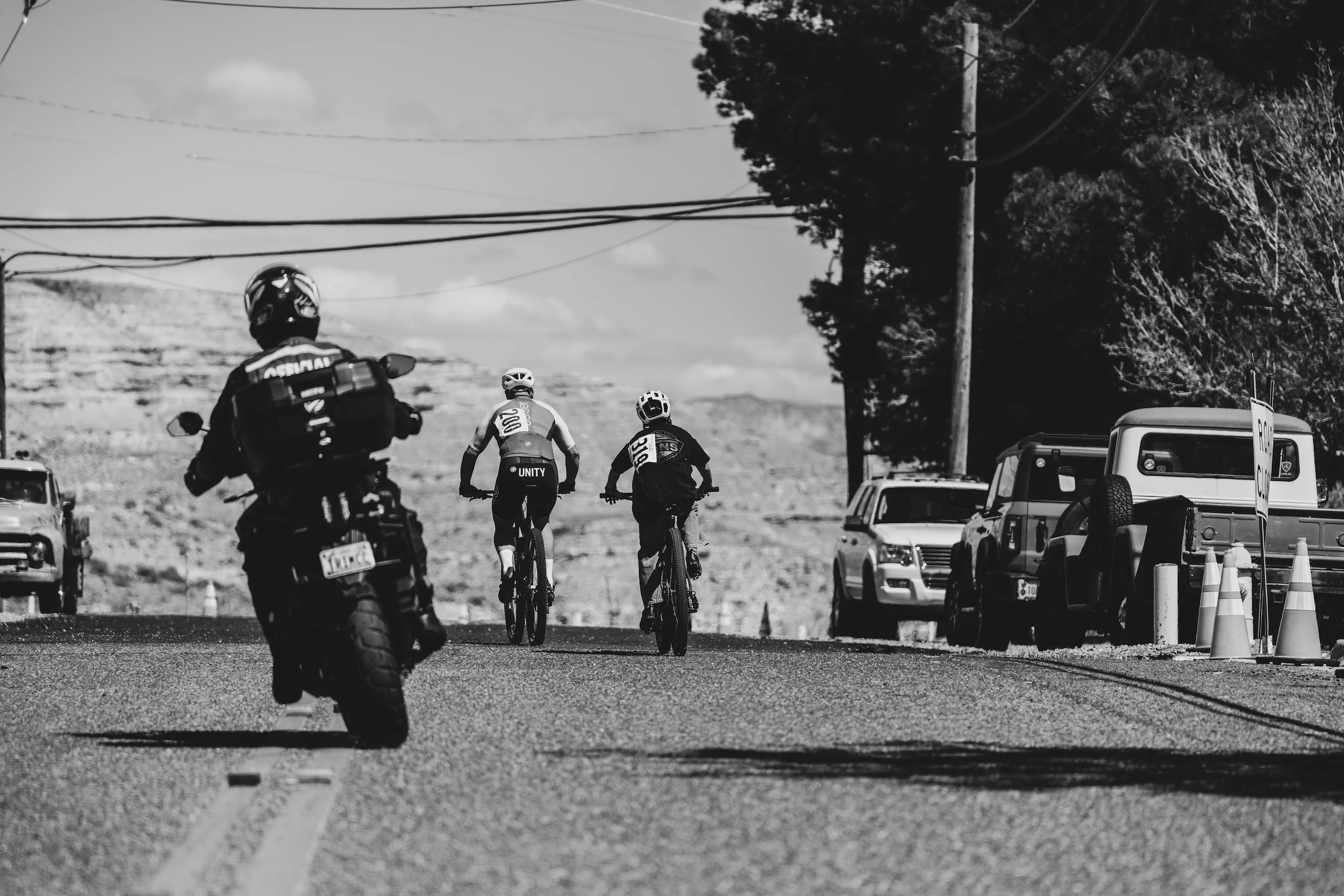
Why Influencer Marketing and Cycling Events Work Together
This is also why tourism boards and destination marketing organizations increasingly partner with creators and influencers.
Influencers do more than “promote” places. They help people imagine themselves there.
A compelling video or photo series reduces uncertainty around travel. It makes a destination feel familiar, accessible, and emotionally interesting. It creates curiosity.
Cycling events naturally operate in a very similar way.
A gravel race, mountain bike festival, or endurance event often functions like a distributed influencer campaign:
athletes create content
photographers tell stories
media outlets amplify coverage
sponsors reshare posts
participants spread awareness organically
The event becomes a catalyst for storytelling, and storytelling drives tourism.
For many rural communities, this may actually be one of the most overlooked forms of modern economic development.
Why Small Towns Need a Content Marketing Strategy
Many communities still think about tourism marketing through older models:
brochures
travel guides
occasional print ads
highway signage
event calendars
Those tools still matter, but increasingly, travel decisions are influenced by what people see online every single day.
That means content is no longer optional. Content is now part of a town’s tourism infrastructure.
The communities gaining momentum are often the ones consistently showing:
what their town feels like
what experiences exist there
why people should care
and what makes the place unique
Events accelerate this process dramatically because they generate concentrated bursts of attention and storytelling.
How Small Towns Can Use Events to Build Long-Term Tourism Momentum
This is the encouraging part.
Small towns do not need to become Aspen, Bentonville, or Moab overnight ... nor should they.
They do not need massive tourism departments or huge advertising budgets to begin building visibility.
What they often need is:
a compelling experience
people excited to share it
intentional storytelling
partnerships with creators and media
and consistency over time
That could look like:
supporting a local gravel race
hosting a trail running event
inviting creators to document a festival
partnering with photographers and filmmakers
encouraging local businesses to participate in storytelling efforts
Momentum rarely happens all at once, but attention does compound.
I'm convinced that communities that learn to tell their story are often the ones that begin to create long-term economic and cultural momentum for the future.

Sean Benesh is a storyteller and digital media strategist based in Portland, Oregon. He works with rural communities, trail organizations, and race organizers to help them tell their stories, grow their online reach, and build momentum through photography, writing, and social media. He is the founder and editor-in-chief of Trail Builder Magazine and a digital media & communications instructor at Warner Pacific University.
