
Every year, the gravel cycling world turns its attention toward Emporia, Kansas.
Thousands of riders from around the world travel to Unbound Gravel. The event attracts roughly 5,000 participants and generates millions of dollars in economic activity for the community. For a few days each year, Emporia becomes the center of the gravel universe.
It’s an impressive success story.
But I think many rural communities are asking the wrong question.
The question isn’t, “How do we become the next Emporia?”
The better question might be, “What is our version of Dufur?”
What Dufur, Oregon, Can Teach Rural Communities About Tourism
Dufur, Oregon, is a town of just over 600 residents. On paper, it would be easy to overlook. Blink while driving through, and you might miss it entirely. I almost did when I drove past it over the weekend on my way to a nearby gravel route I was exploring.
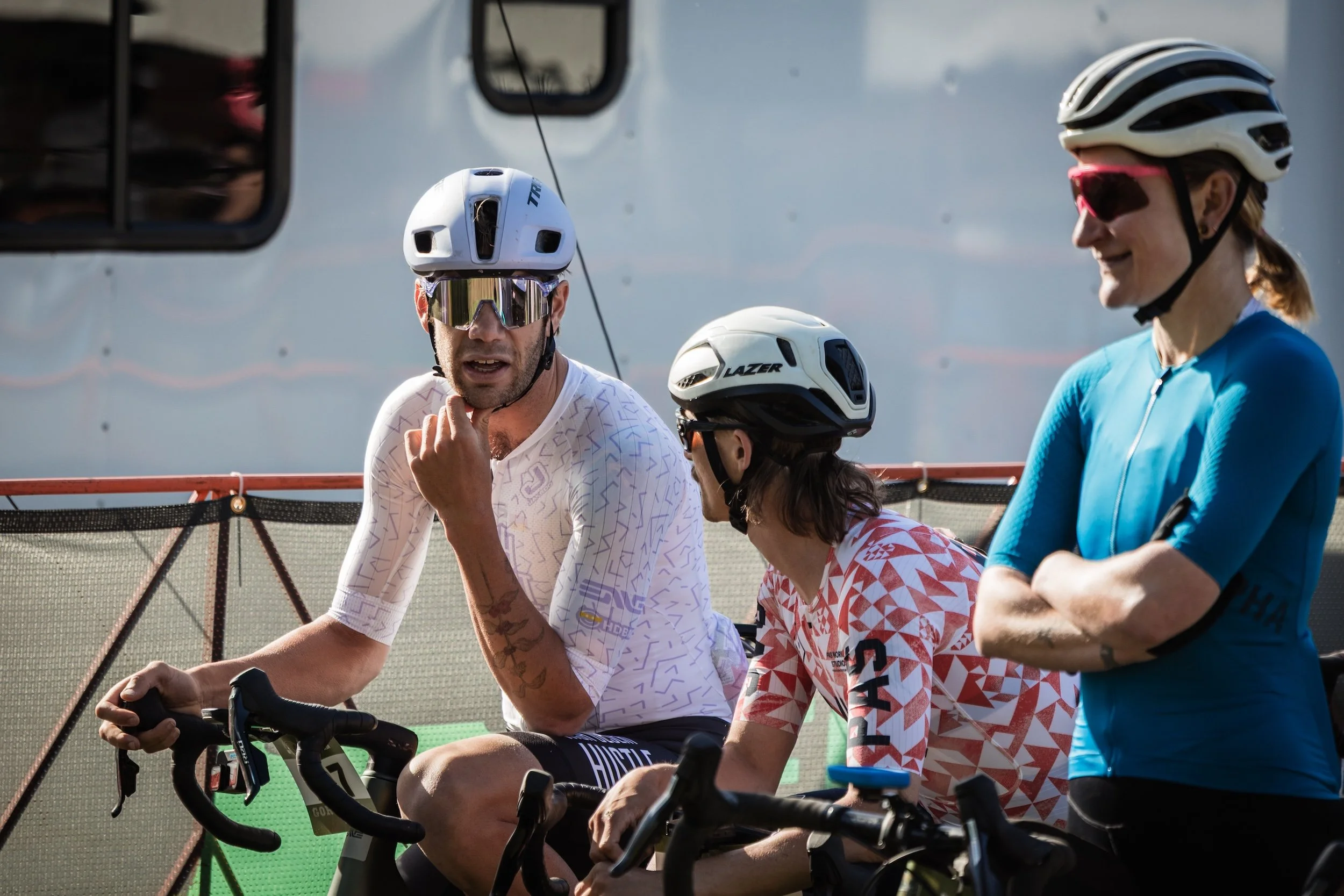
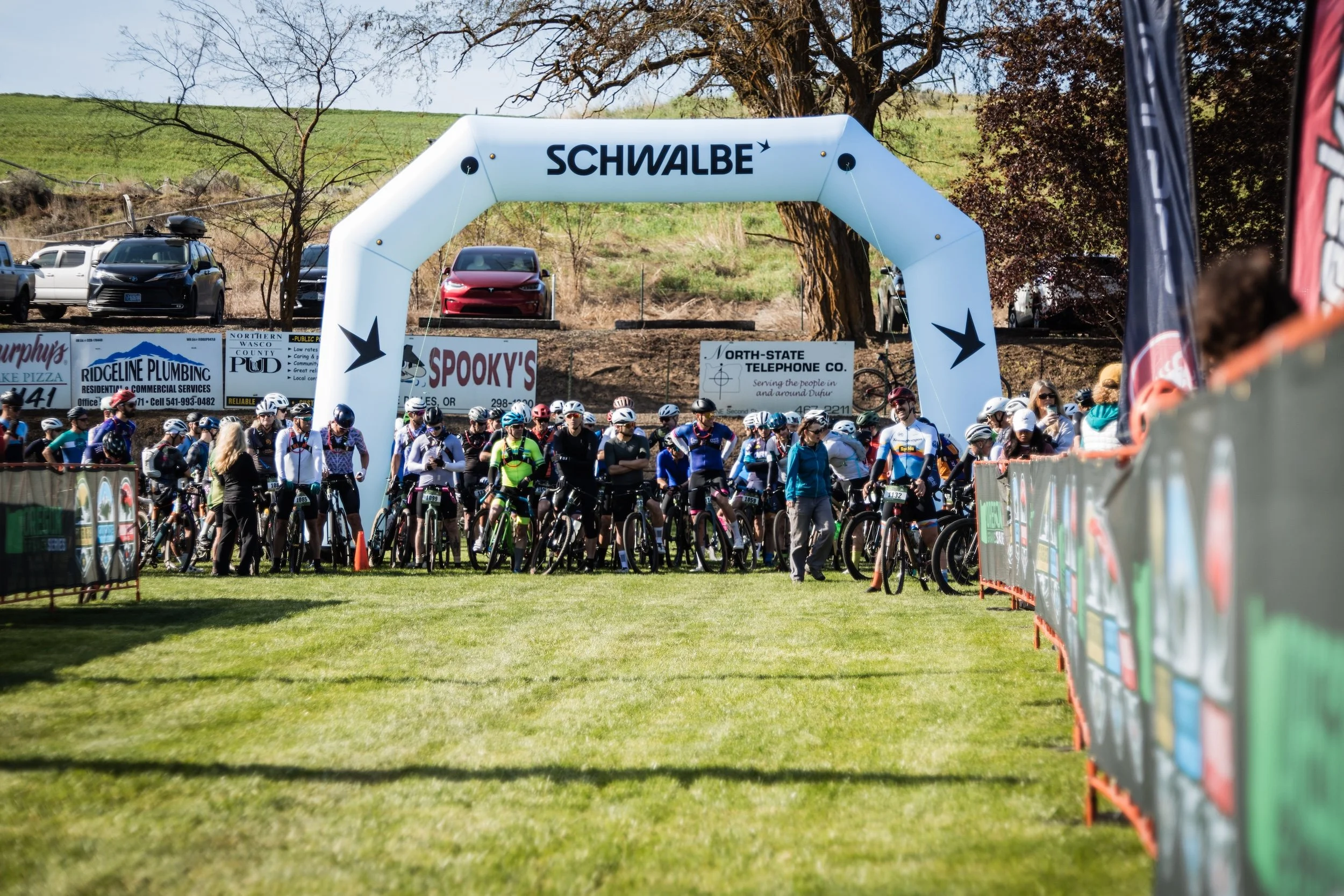
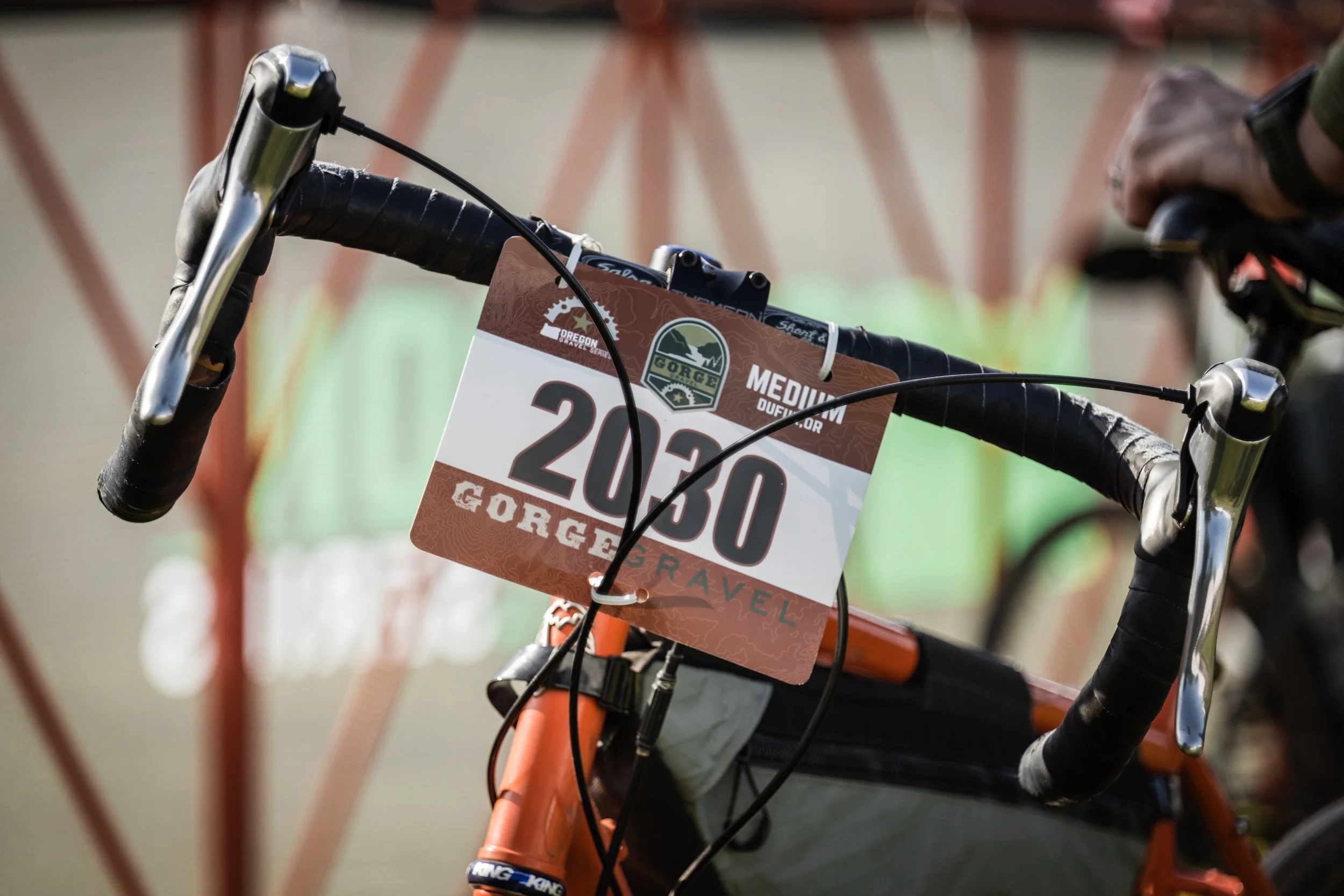
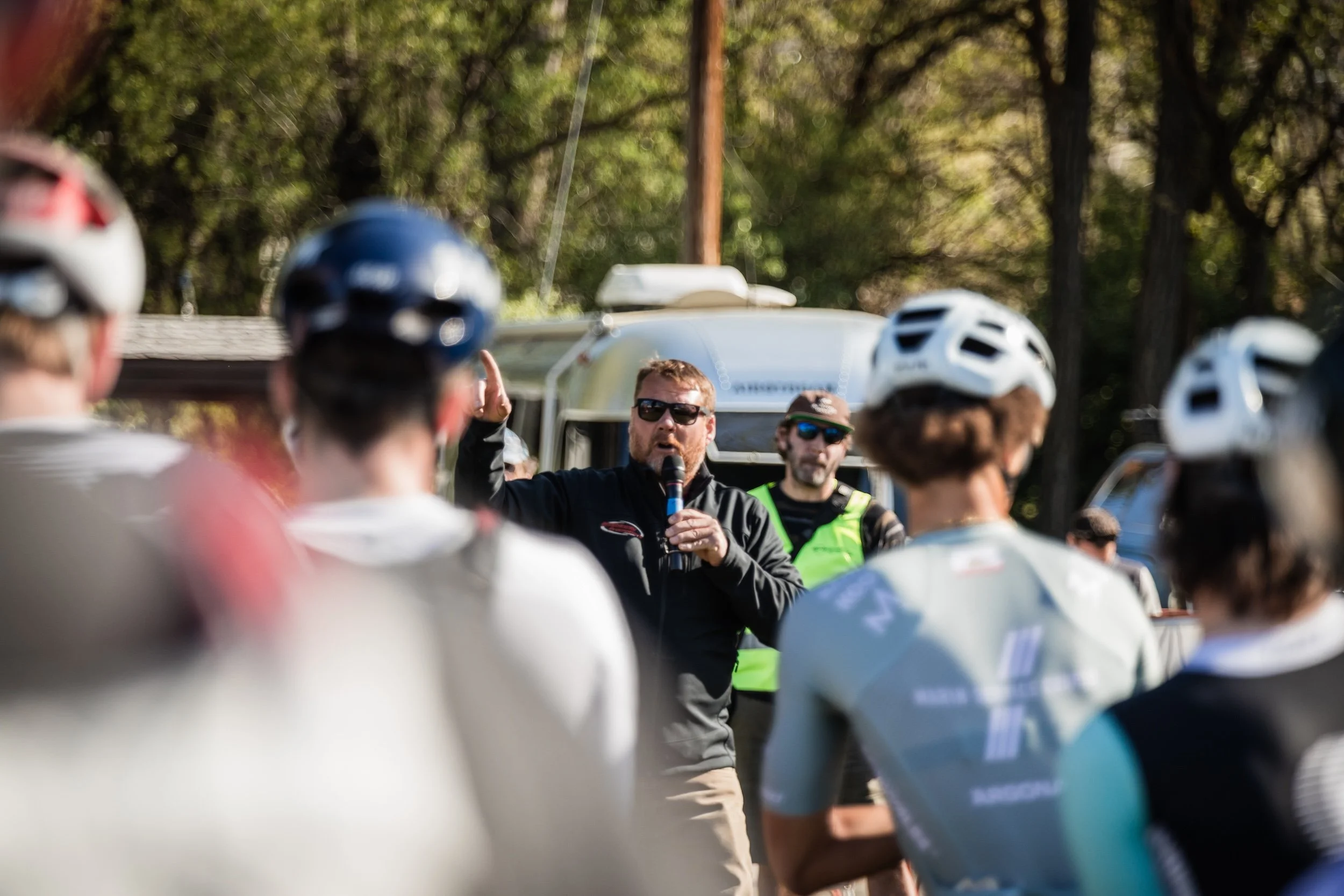
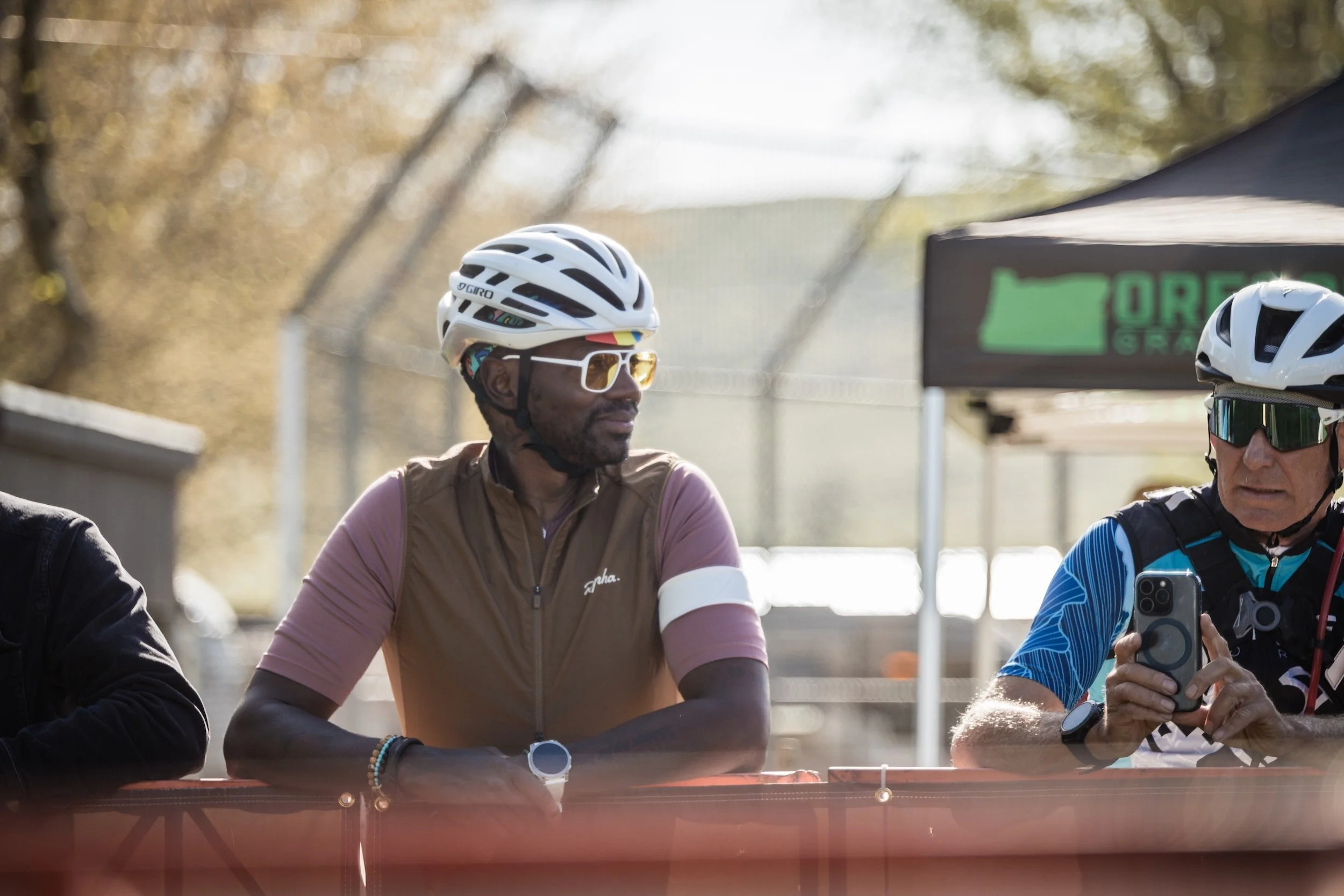
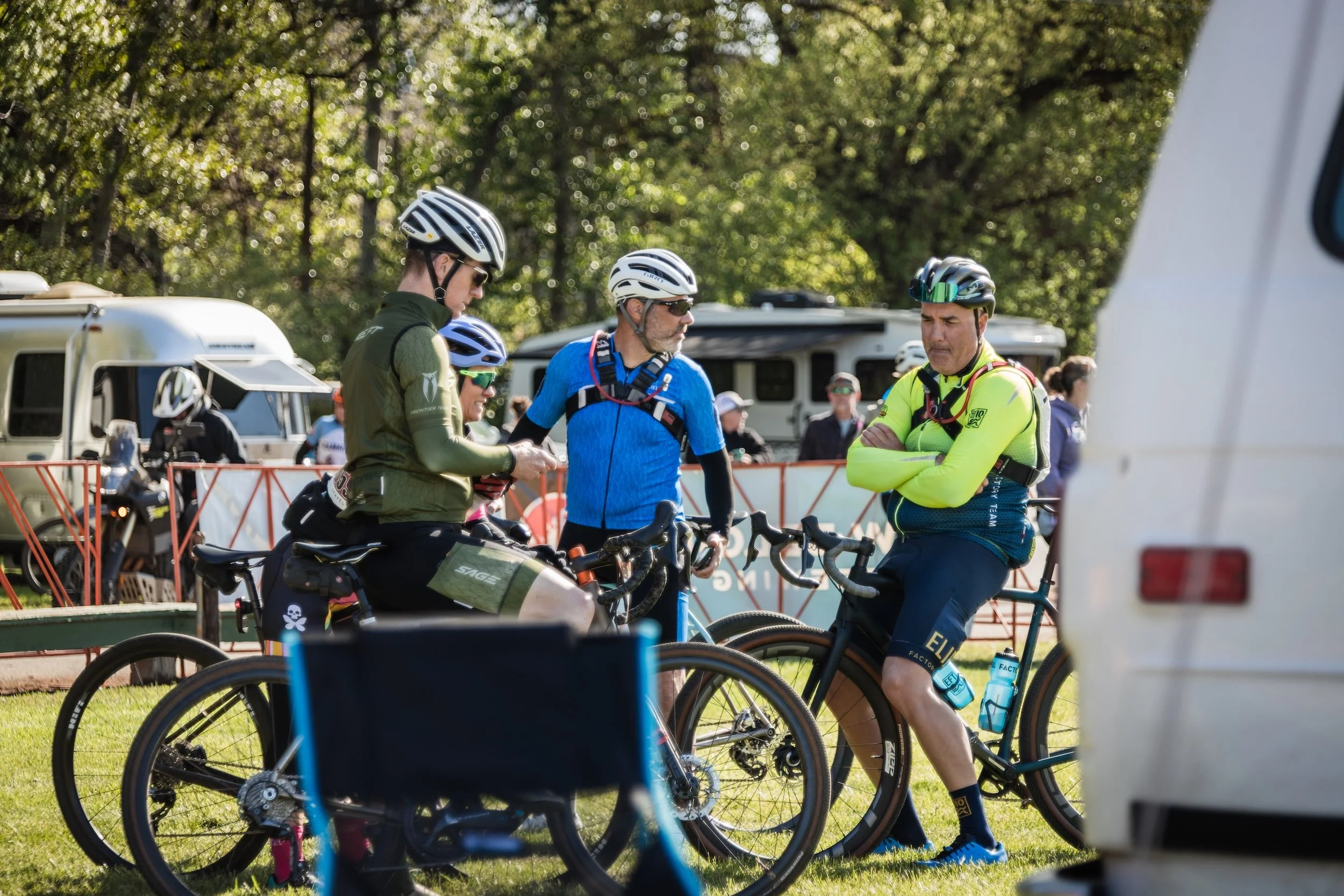
Yet every spring, cyclists from across the Pacific Northwest travel there for Gorge Gravel, one of the largest gravel cycling events in the region. Back before I sold my coffee roasting company, I served coffee at Gorge Gravel (which these photos are from).
What’s particularly interesting is not simply that the race exists, but how the community appears to be embracing cycling as part of its identity and future.
The City of Dufur now maintains cycling maps on its website, helping visitors discover local routes and roads. That may seem like a small detail, but I think it signals something bigger. Local leaders recognize that people are traveling there specifically to ride bikes, and they’re finding ways to support that interest.
How Cycling Events Create Economic Opportunities for Small Towns
Too often, communities view events as isolated weekends on the calendar.
A race comes to town. People show up. People leave.
But the communities seeing the greatest long-term benefits seem to understand something different. Events can serve as introductions.
A gravel race introduces riders to roads they didn’t know existed. A mountain bike race introduces riders to trails they never knew about. A trail running event introduces visitors to public lands they may have otherwise driven past.
The event becomes the first chapter of a larger story.
Then, when participants have a great experience, they often return with friends, family members, or riding groups. They share photos online. They tell stories. They recommend destinations to others.
That’s where the economic impact begins to compound.
The Role of Race Directors and Community Partnerships
This is where I think the relationship between race directors and communities becomes fascinating.
Who is responsible for creating momentum?
Does the race director build the audience and the town follows? Does the town embrace the opportunity and amplify the event? Or does the real magic happen when both sides work together?
I suspect it’s the latter.
Race directors are experts at creating experiences. Communities are experts at creating places. When those two things align, something powerful can happen.
Visitors become repeat visitors. Participants become tourists. Tourists become ambassadors who share photos, videos, and stories that introduce even more people to the community.
The event grows. The destination grows. Both benefit.
Why Adventure Tourism Matters for Rural Economic Development
This conversation matters because many rural communities are actively searching for economic opportunities.
Traditional industries continue to evolve. Population shifts are changing local economies. Communities everywhere are asking what comes next.
I’m not suggesting every town should host a gravel race. Nor am I suggesting outdoor recreation is a silver bullet for economic development.
What I am suggesting is that many communities are overlooking assets they already possess.
Scenic backroads. Forest roads. Public lands. Historic downtowns. Local restaurants. Coffee shops. Unique landscapes. Compelling stories.
These are often the exact ingredients that cyclists, runners, hikers, climbers, paddlers, and other outdoor enthusiasts are searching for.
The challenge isn’t always creating something new. Sometimes it’s recognizing the value of what’s already there.
Building a Tourism Strategy Around Existing Community Assets
One of the most common themes I encounter while working with races, tourism organizations, and outdoor communities is a lack of visibility rather than a lack of assets.
People cannot visit places they do not know exist.
Many small towns already have incredible landscapes, welcoming communities, and memorable experiences. What they often lack is a coordinated effort to tell that story and invite people in.
Dufur appears to understand this.
It seems to be asking practical questions like: How do we welcome people who are already discovering what makes this place special?
For many rural communities, that may be the better place to start.
Not by chasing the next big thing.
But by recognizing the opportunities already sitting in their own backyard.

Sean Benesh is a social media strategist based in Portland, Oregon. He works with rural communities, trail organizations, and race organizers to help them tell their stories, grow their online reach, and build momentum through photography, writing, and social media. He is the founder and editor-in-chief of Trail Builder Magazine and a digital media & communications instructor at Warner Pacific University.
