
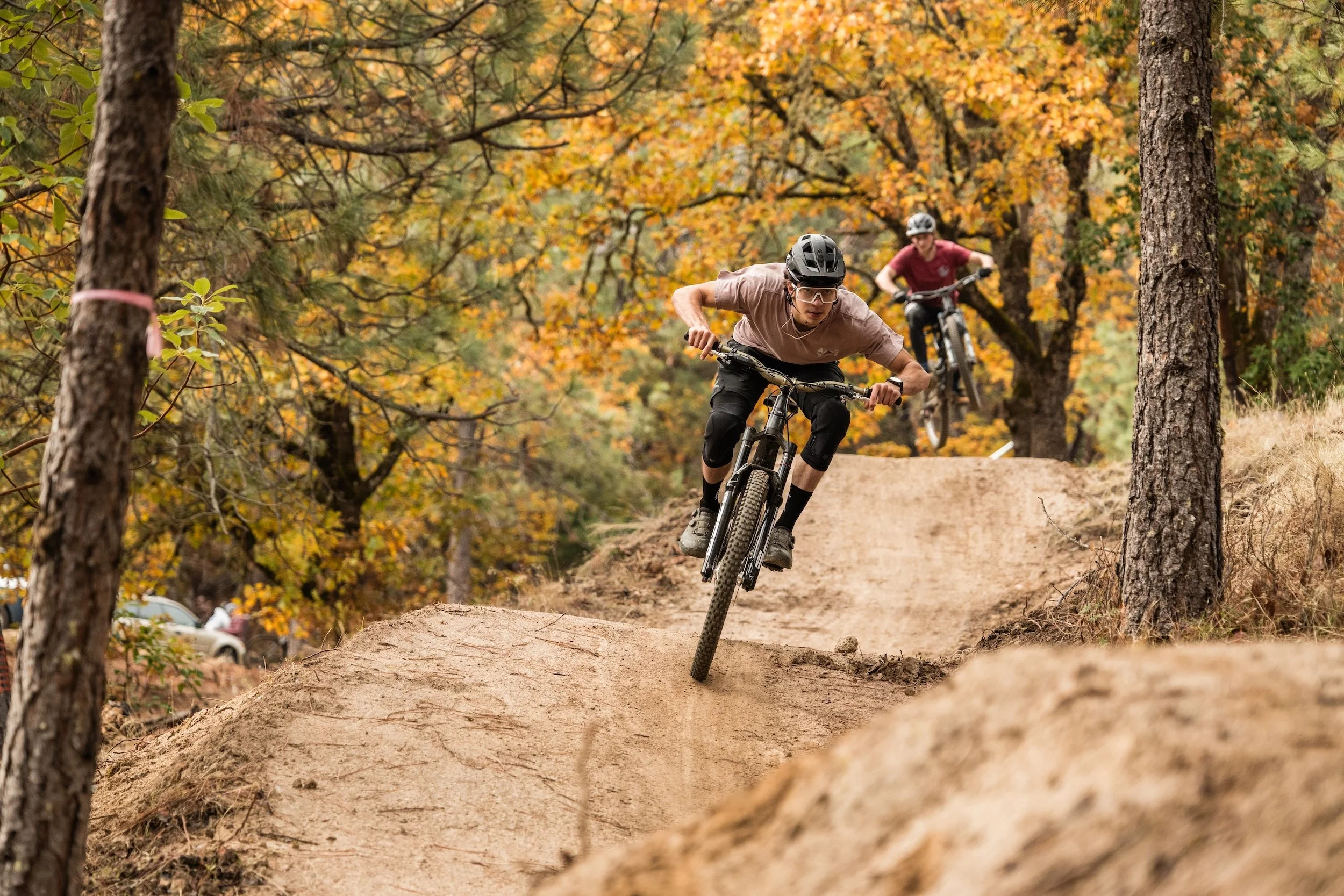
It’s easy for small towns to look at places like Bentonville, Arkansas, or Moab, Utah, and think: “Well, sure ... but we could never do that here.”
Truth be told, most communities are looking at the finished product instead of the starting point.
What many of today’s well-known cycling destinations figured out early was something surprisingly simple: People will travel for experiences. Especially experiences that feel authentic, scenic, adventurous, and different from everyday life.
That’s where cycling events come into the picture.
A gravel race. A mountain bike festival. A fondo. A community ride. On the surface, they may simply look like recreation. But underneath that? They can become something much bigger for rural communities.
Momentum.
No, not an overnight transformation. Not becoming the next tourism hotspot in America next year. Just momentum. Slow and plodding.
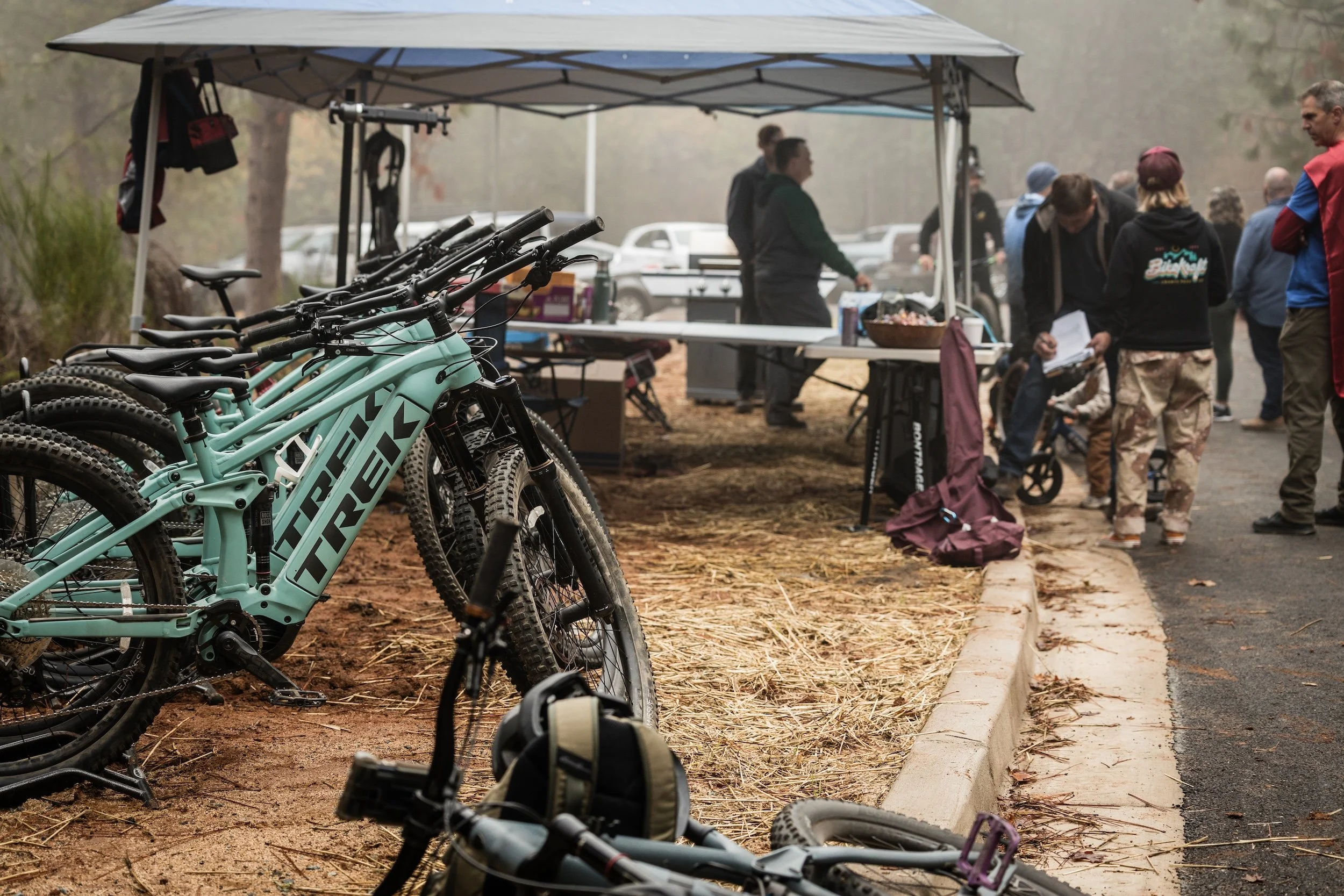
Why Cycling Events Naturally Fit Rural Communities
Feeling overwhelmed? Here’s the good news.
Your town probably already has the ingredients needed for compelling cycling experiences. You just may not realize it yet.
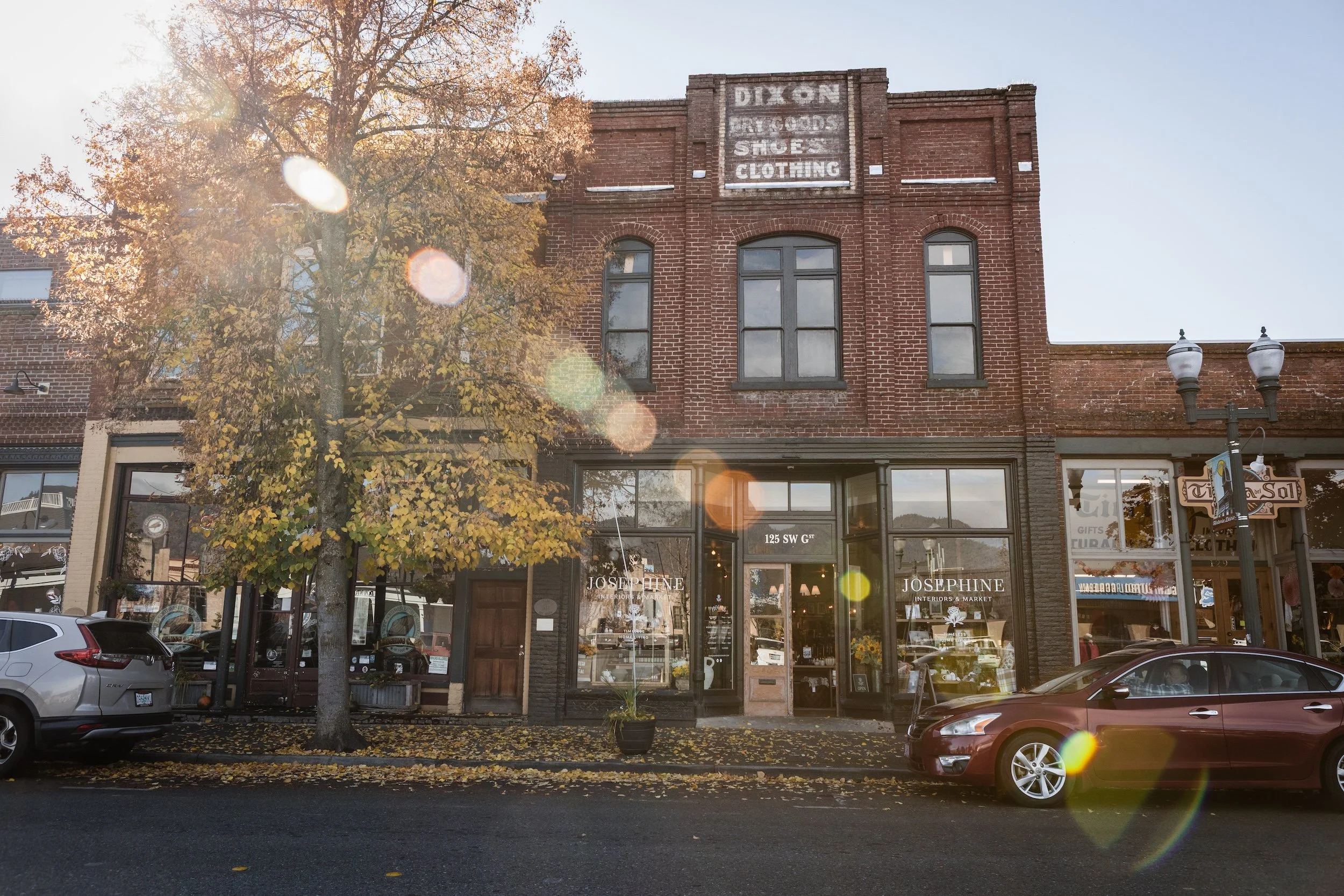
Scenic backroads. Gravel roads. Forest roads. Public lands. Mountain views. Rivers. Historic downtowns. Local coffee shops. Diners. Open space. Obviously, I'm writing from the perspective of being out West, but you get the point.
The challenge is often not the lack of these kinds of assets, but visibility.
People cannot visit places they do not know exist.
I think of some small towns I know of close to world-class rock climbing destinations, and it's less than 2 hours awayfrom a major city. Crickets. No one in town is embracing this.
Yes, while my article focuses on cycling, since that is my world, it also applies to other kinds of adventure sports like kayaking, rock climbing, etc.
Outdoor events introduce new people to communities they otherwise may have never visited before.
And unlike traditional tourism campaigns, events create experiences people naturally want to share.
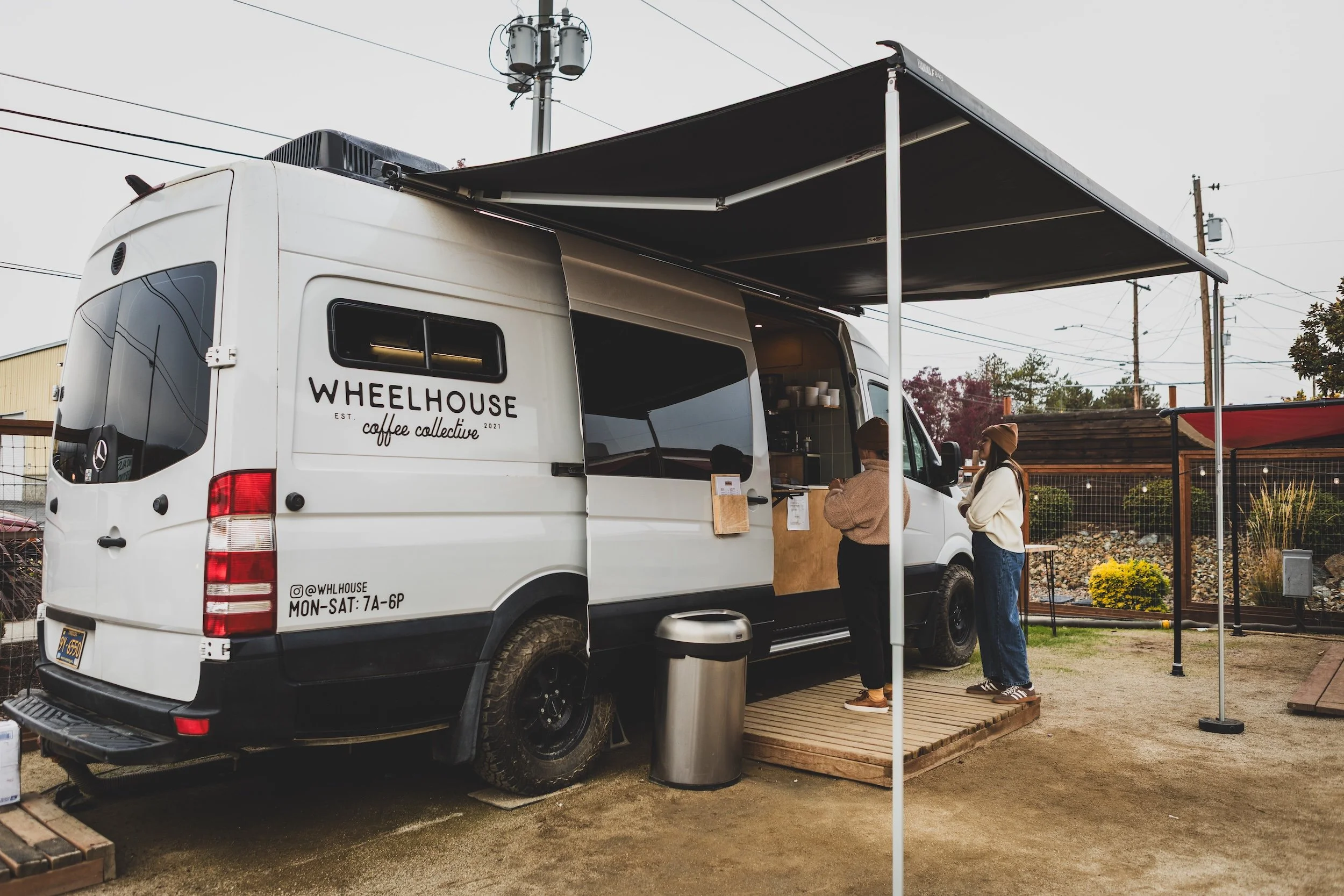
Bike Races Bring More Than Just Visitors
On race weekend, towns feel different.
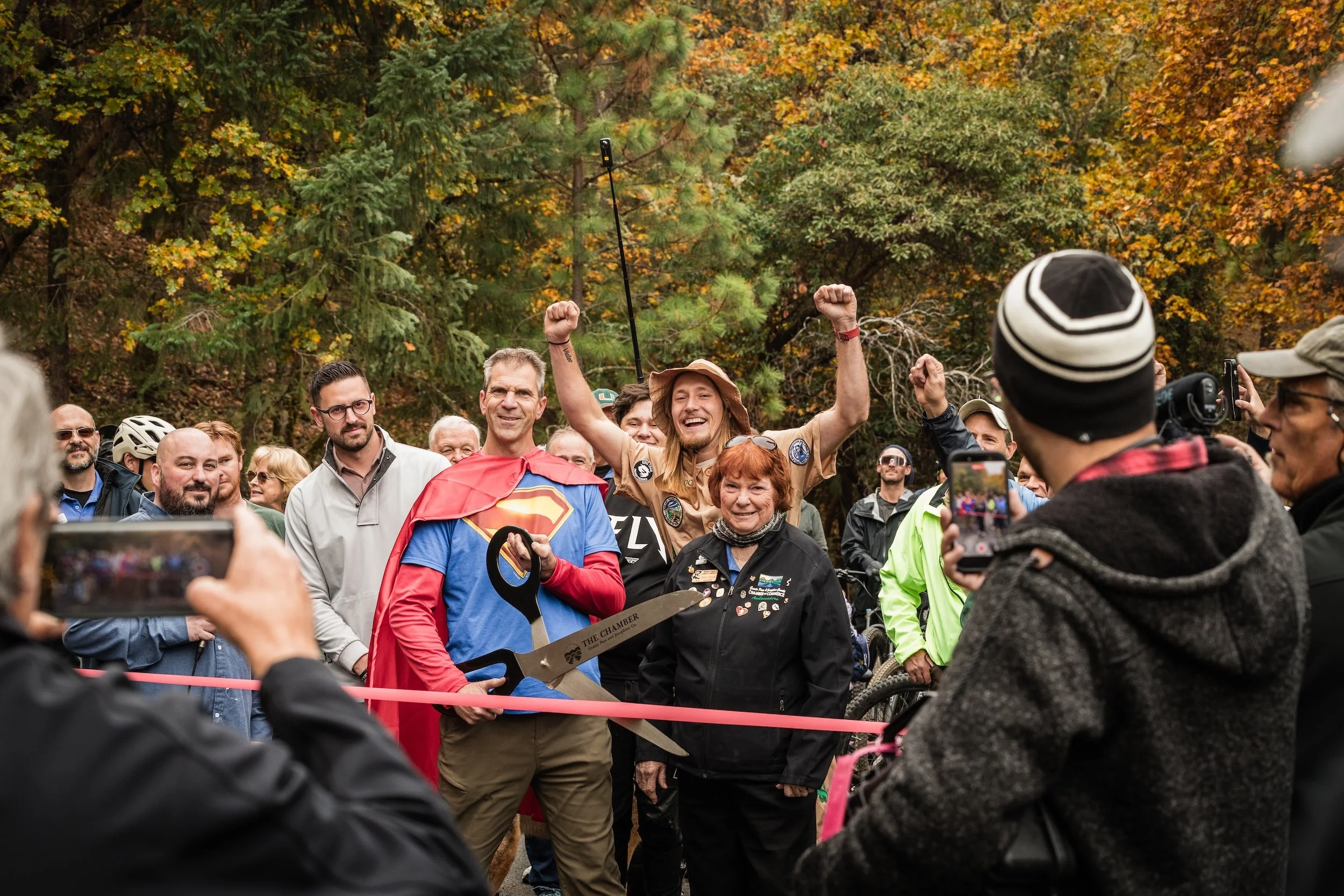
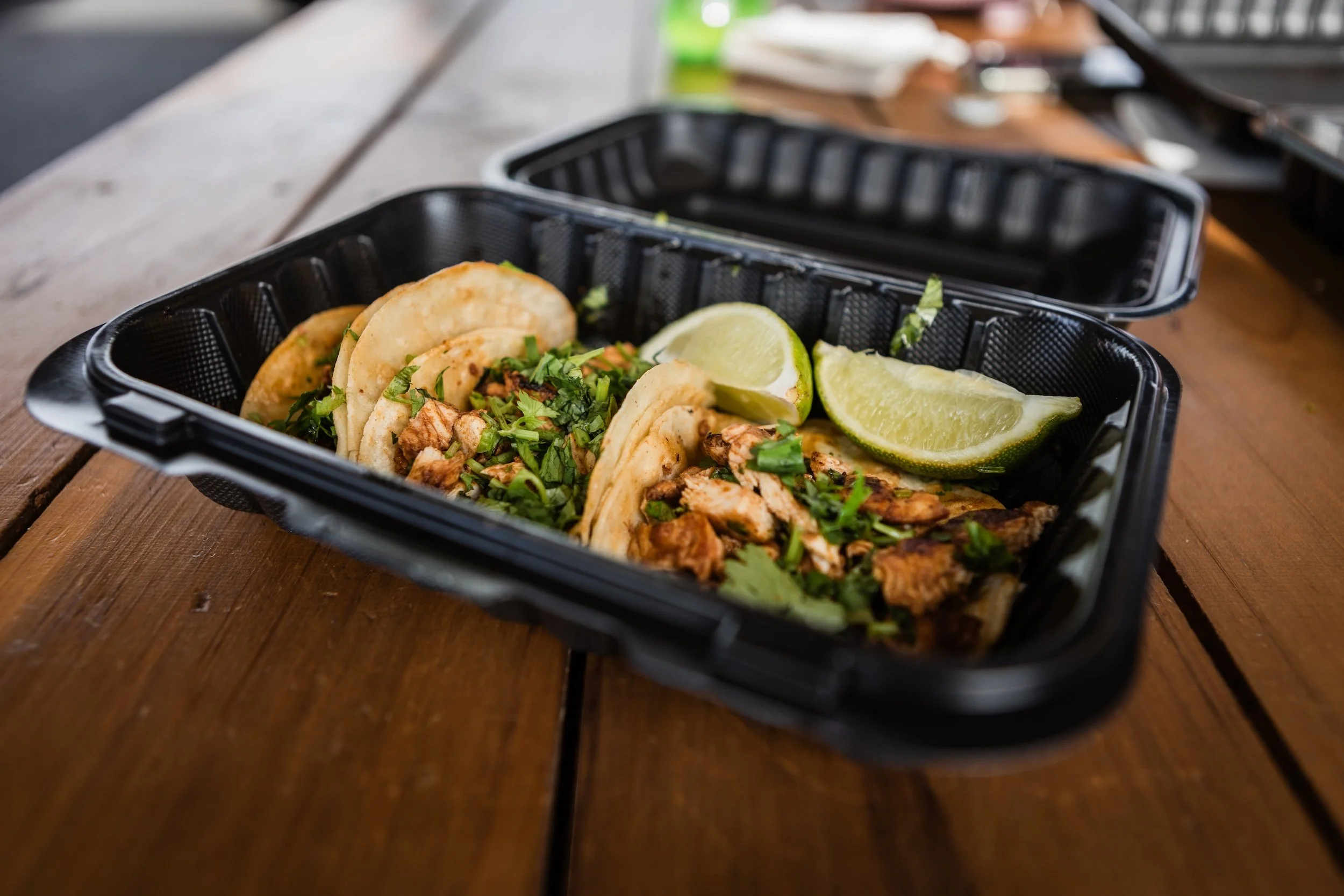
Coffee shops open early and suddenly have lines out the door. Restaurants stay busy. Hotels and campgrounds fill up. Gas stations get flooded with cyclists grabbing snacks on the way home.
There’s palpable energy.
I’ve seen it over and over while traveling to races across the West. Riders wandering through downtown before and after events. Families eating together at local restaurants. Cyclists stopping for “just one coffee” before getting back on the road home.
Sometimes communities think tourism development has to begin with massive infrastructure projects or huge investments.
But what if it starts with simply giving people a reason to come visit?
That’s the opportunity events create.
Why Cycling Events Create So Much Online Visibility
Here’s what many community leaders still don't fully realize ... bike races don't just bring people to town anymore. They create content. Like, tons of it.
Every rider carrying a smartphone becomes part of the storytelling process:
Instagram Stories
YouTube videos
race photography
Strava uploads
recap articles
TikToks
podcasts
sponsor reposts
All of it spreads online.
And suddenly, hundreds or thousands of people who have never heard of your town before are seeing your roads, landscapes, businesses, and community.
Truth be told, this is one reason cycling events are so powerful right now.
They create both economic activity and visibility at the same time.
Understanding Earned Media Value (EMV)
This is where the idea of Earned Media Value, or EMV, becomes important. It's a concept that is worth me repeating over and over again.
The concept is pretty simple.
EMV is essentially an estimate of what organic visibility would cost if purchased through advertising.
For example, let’s say a Reel from a cycling event gets 50,000 views online. Depending on advertising benchmarks, that might represent roughly $400–$600 worth of exposure.
Now multiply that by:
athlete posts
sponsor shares
race photography galleries
creator content
tourism board reposts
local business participation
media coverage
recap videos
Suddenly, a single event can generate thousands ... sometimes tens of thousands ... of dollars in organic visibility for a community.
And unlike traditional ads, this kind of content often feels more trustworthy because it comes from real people having real experiences.
Oh, and it's FREE. You're not directly paying for all of this organic advertising.
Why Influencer Partnerships and Events Work Together
This is also why tourism organizations increasingly partner with creators and influencers.
Creators help people imagine themselves somewhere. That’s the magic.
A good photo or video makes the experience feel possible. Familiar. Interesting.
Cycling events naturally function in a similar way.
Riders become storytellers. Photographers document the landscape. Media outlets amplify the experience. Sponsors reshare content. Local businesses become part of the narrative.
The town itself becomes part of the story. And stories travel far online. Globally.
You Do Not Need to Become the Next Moab
Sometimes small towns unintentionally talk themselves out of tourism opportunities before they even begin.
They assume:
they are too remote
too small
too unknown
or lacking enough infrastructure
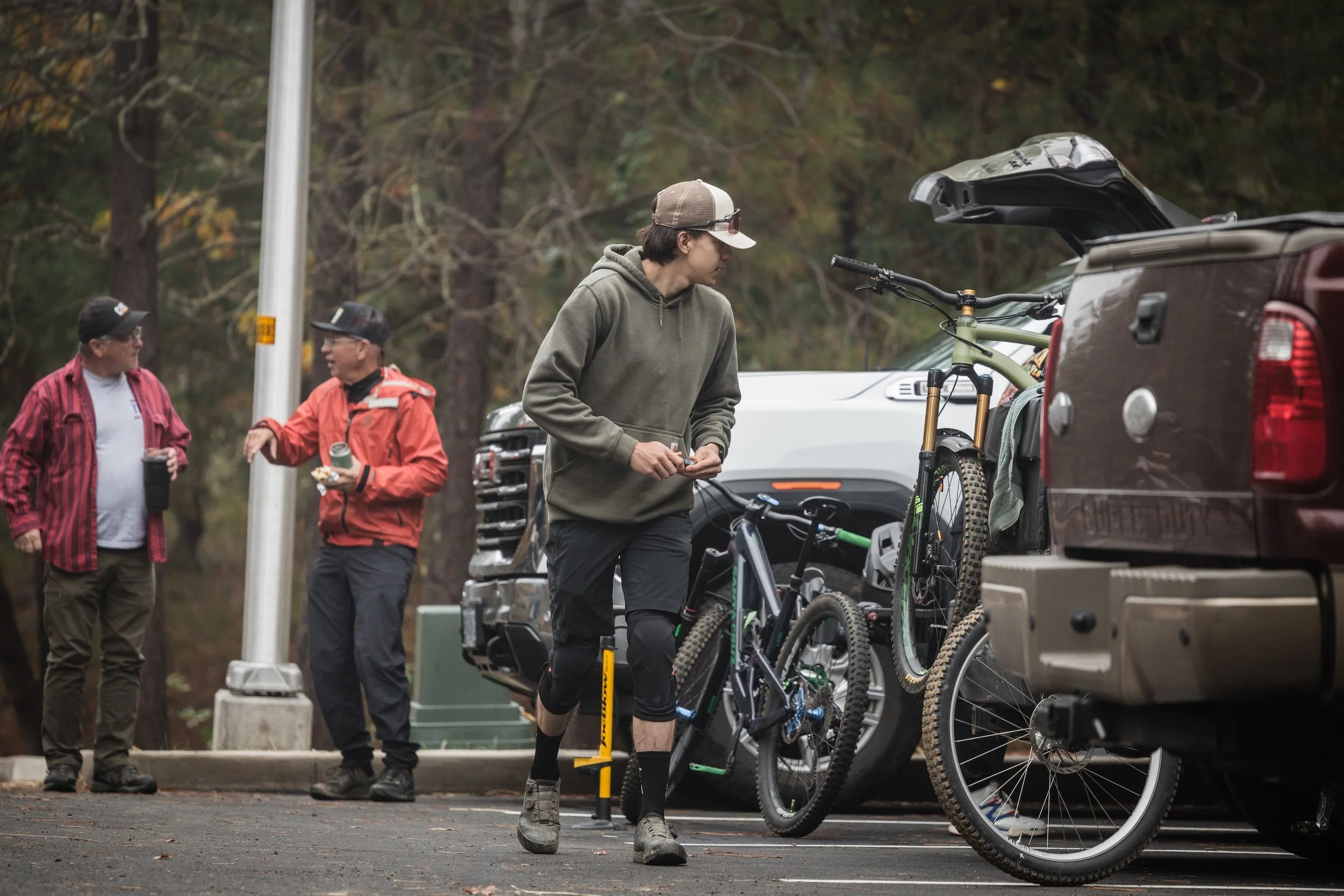
But modern cyclists are often searching for the exact opposite of overcrowded destinations.
They want:
quieter roads
authentic places
local culture
beautiful scenery
community atmosphere
experiences that feel real
In many ways, small towns already possess the very thing many travelers are looking for.
The key is helping people discover it.
How Small Towns Can Start Embracing Cycling Tourism
The good news is that communities do not need to start with massive events or huge budgets.
Most momentum starts small.
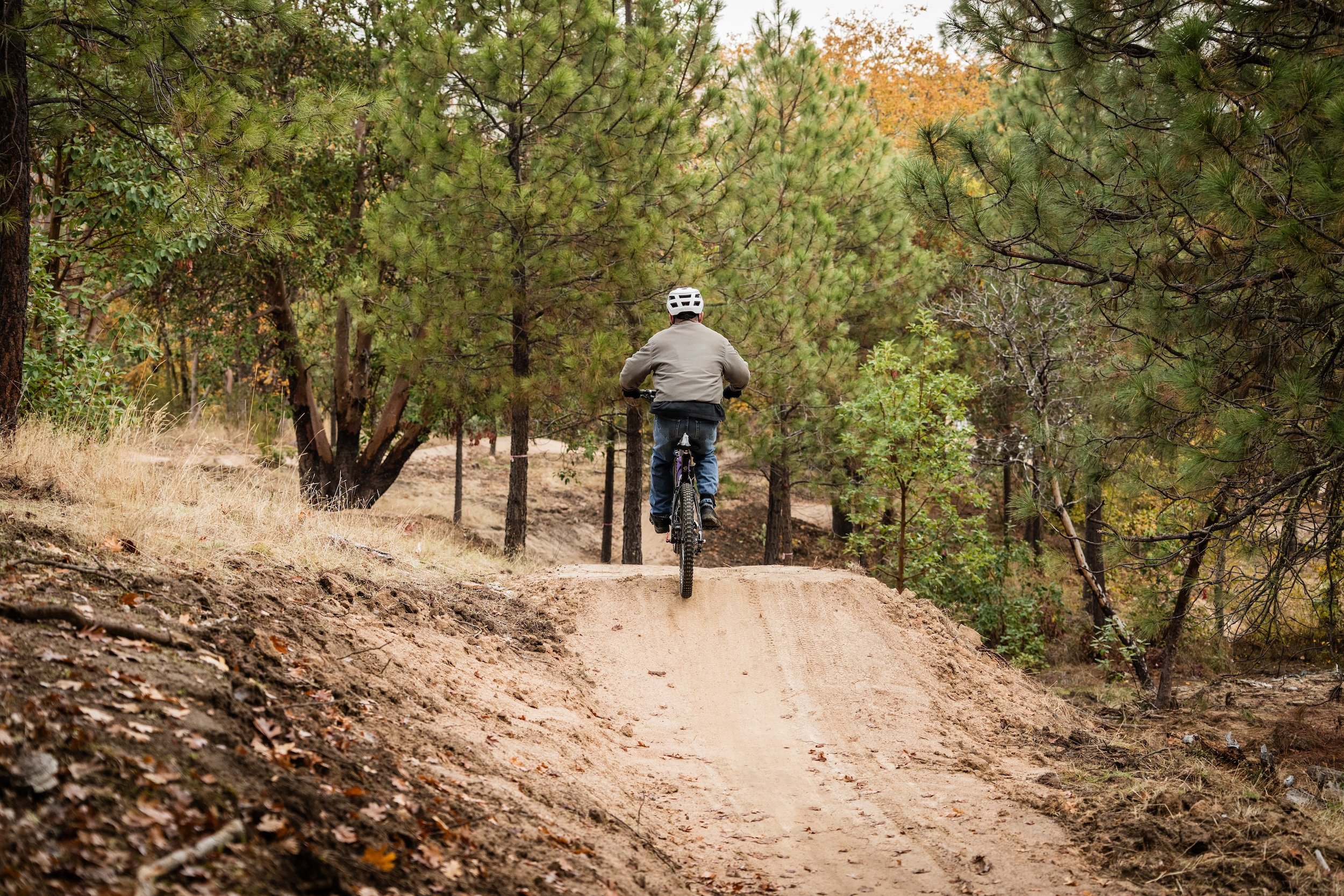
A grassroots gravel race. A community ride. A partnership with a cycling club. Better storytelling around an existing event. Working with photographers, filmmakers, or creators to document the experience.
One event leads to another.
One visitor tells another.
One great weekend becomes repeat visitation.
That’s usually how momentum works. Slowly at first. Then all at once.
And honestly, that is what excites me most about this conversation. Not the idea that every town needs to become a major tourism destination.
But the possibility that communities can begin creating new energy, new visibility, and new economic opportunity simply by embracing experiences people genuinely care about.
Communities that learn how to tell their story are often the ones that begin creating momentum for the future.

Sean Benesh is a social media strategist based in Portland, Oregon. He works with rural communities, trail organizations, and race organizers to help them tell their stories, grow their online reach, and build momentum through photography, writing, and social media. He is the founder and editor-in-chief of Trail Builder Magazine and a digital media & communications instructor at Warner Pacific University.
