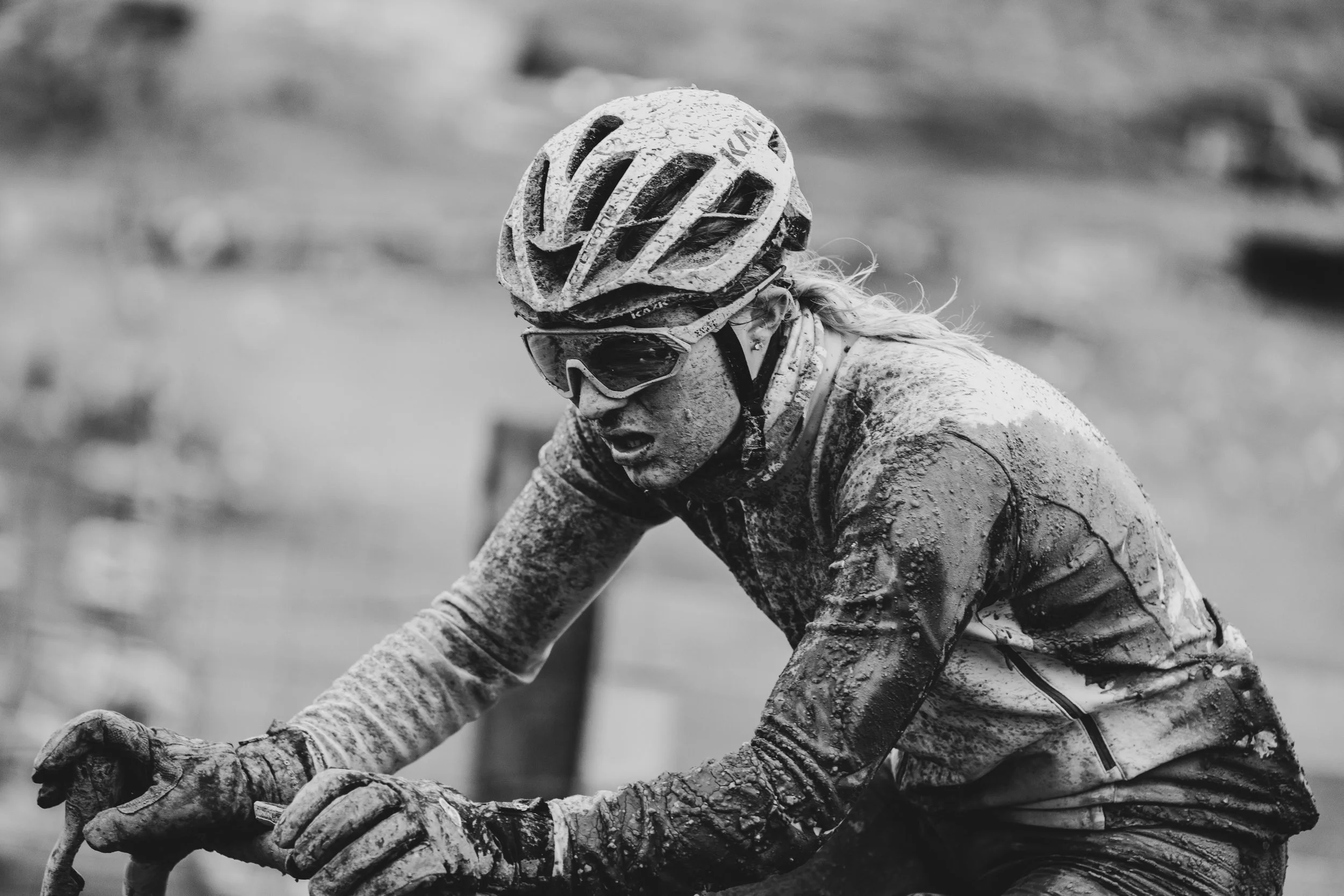
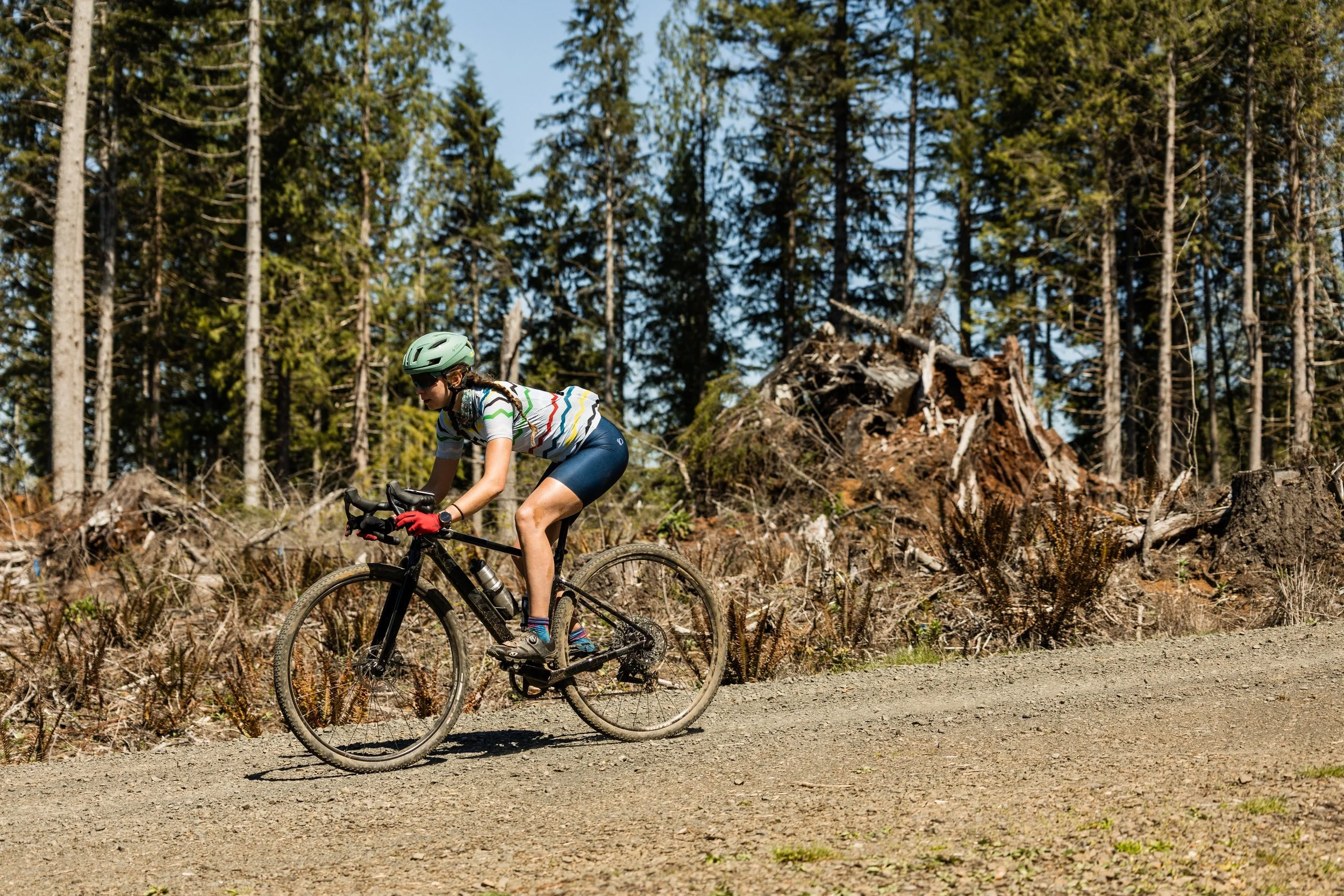
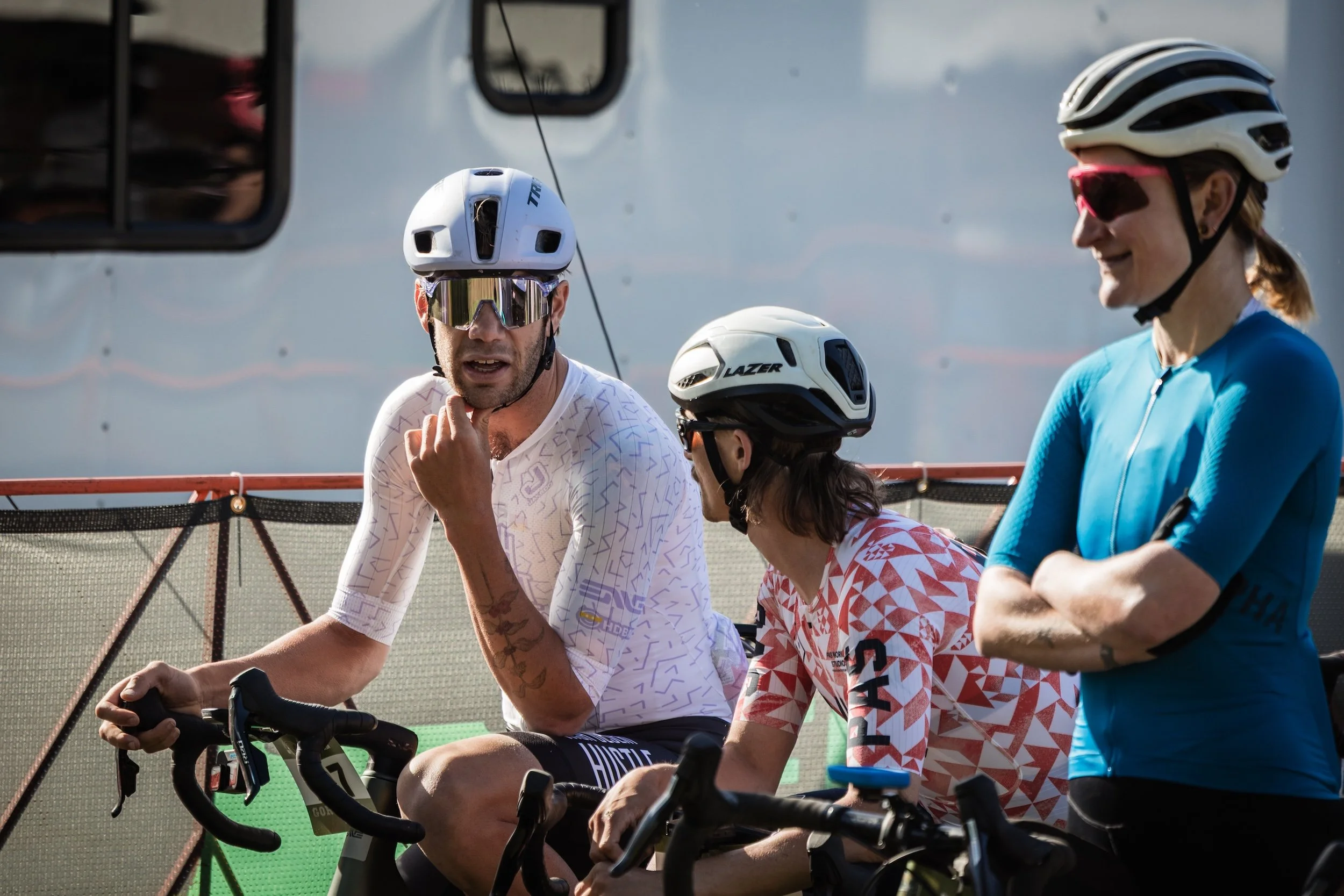
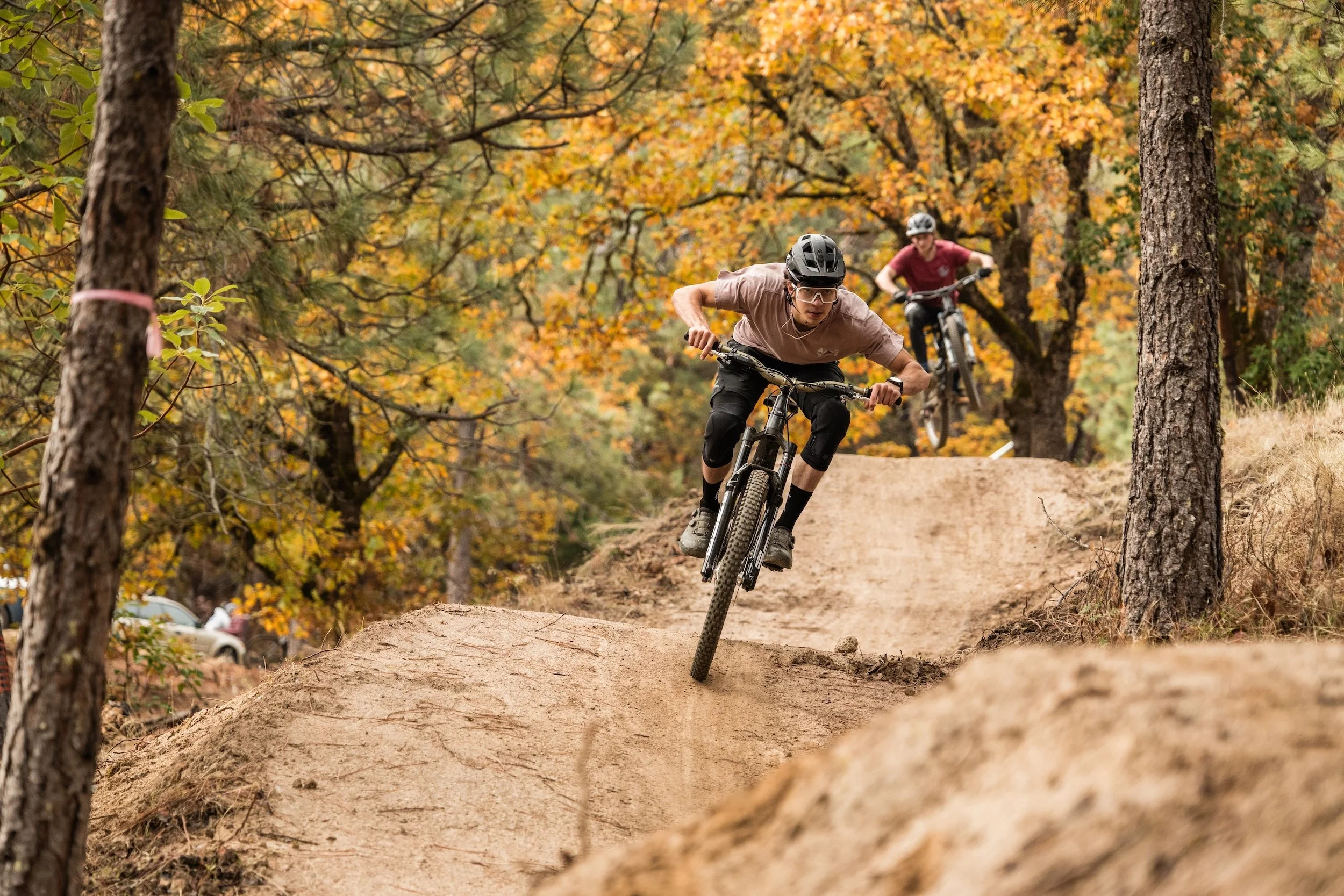
I’ve been a part of more gravel races than I can count. Most of the time, my role is that of a photographer, capturing the moment. On some levels, that sounds exhilarating. While it is a blast, most of my time is spent waiting, watching … and thinking.
Recently, I shot photos at Cascadia Super Gravel outside of Olympia, Washington. It was my first time there. While I’ll circle back around to more details of the event itself, I want to pick up where I left off in that first paragraph … thinking.
Every year, the gravel cycling world turns its attention toward Emporia, Kansas.
Thousands of riders from around the world travel to Unbound Gravel. The event attracts roughly 5,000 participants and generates millions of dollars in economic activity for the community. For a few days each year, Emporia becomes the center of the gravel universe.
It’s an impressive success story.
But I think many rural communities are asking the wrong question.
The question isn’t, “How do we become the next Emporia?”
The better question might be, “What is our version of Dufur?”
It’s easy for small towns to look at places like Bentonville, Arkansas, or Moab, Utah, and think: “Well, sure ... but we could never do that here.”
Truth be told, most communities are looking at the finished product instead of the starting point.
What many of today’s well-known cycling destinations figured out early was something surprisingly simple: People will travel for experiences. Especially experiences that feel authentic, scenic, adventurous, and different from everyday life.
That’s where cycling events come into the picture.